Start Your Site Prep Today
5 Must-Ask Questions Before Hiring an Excavating Contractor
What Licenses, Insurance, and Bonding Do You Carry?
Before breaking ground on any project, verify that your contractor holds current Nevada state contractor licenses and carries both general liability insurance and workers’ compensation coverage. In Reno and surrounding areas, contractors must maintain a Nevada C-5 excavating and grading license, which ensures they have met minimum standards for experience, technical knowledge, and financial responsibility. Request proof of insurance certificates directly from the carrier rather than relying on photocopies, and confirm that coverage limits are adequate for your project size. A $1 million liability policy is standard for residential excavation projects, while commercial sites typically require $2 million or more.
Bonding provides additional protection if the contractor abandons the project or fails to pay subcontractors or suppliers. In Nevada, excavation contractors working on projects above certain dollar thresholds must carry performance and payment bonds. Ask whether the contractor is bonded and what that bond covers. This question matters particularly in the Reno market, where projects often encounter unexpected rock layers or underground utilities that can complicate timelines and budgets. A properly licensed and insured contractor will produce documentation immediately and without hesitation. Any delay or vague response should raise concerns about their legitimacy and financial stability.
Can You Provide References from Similar Projects in Northern Nevada?
References reveal how a contractor performs under real-world conditions and whether past clients would hire them again. Request at least three recent references from projects similar to yours in scope, soil conditions, and timeline. If you are planning a custom home foundation in Truckee or South Lake Tahoe, ask for references from mountain properties where contractors faced rocky terrain, frost lines, and seasonal access challenges. For commercial excavation in Sparks or Carson City, seek references from business development projects that required coordination with multiple trades, tight schedules, and minimal disruption to neighboring properties.
When you contact references, ask specific questions about communication, problem-solving when unexpected conditions arose, cleanup standards, and whether the final invoice matched the estimate. In the Reno area, summer heat and winter freezes create distinct working windows, so ask how the contractor managed weather-related delays. Pay attention to whether references mention proactive communication or if they had to chase down updates. A pattern of satisfied clients who describe clear communication, adaptable problem-solving, and thorough site cleanup indicates a contractor who treats every project with care. Conversely, reluctance to provide references or a list of only outdated projects suggests the contractor may not have recent work or satisfied customers willing to vouch for them.
What Equipment Will You Use and Is It Suitable for My Site Conditions?
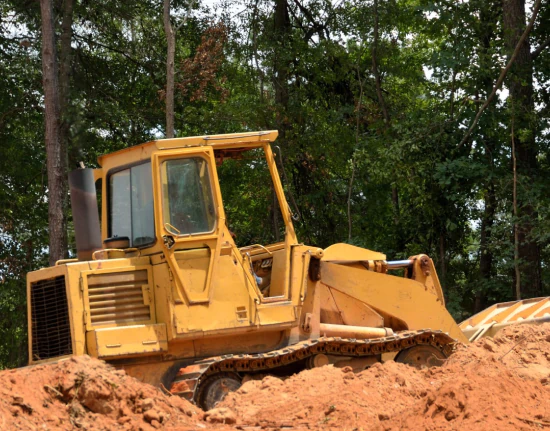
The right equipment makes the difference between a smooth project and one plagued by delays, soil compaction issues, or damage to adjacent structures. Ask contractors to describe the specific machinery they will deploy for your project and why those choices fit your site. Reno’s diverse topography ranges from flat valley floors to steep hillside lots, and the equipment suitable for site grading in Fernley differs significantly from what works in North Lake Tahoe’s rocky, forested terrain. A contractor should explain whether they will use compact excavators for tight residential spaces, larger trackhoes for deep commercial foundations, or specialized rock-breaking attachments for sites with volcanic basalt common throughout the region.
Equipment age and maintenance matter as much as selection. Well-maintained machinery reduces breakdowns that halt progress and inflate costs. Ask how old their primary excavators are and how often they perform preventive maintenance. Contractors who own their equipment rather than renting typically demonstrate a longer-term commitment to the industry and greater accountability for performance. For projects requiring rock removal services or demolition, inquire about hydraulic breakers, crushers, or conveyor systems that can handle Northern Nevada’s challenging geology. A contractor who can articulate equipment choices based on your specific soil report, property slope, and access constraints shows technical knowledge and planning skills that translate to fewer surprises during construction.
How Do You Handle Project Timelines, Permits, and Unexpected Conditions?
Timeline management separates organized contractors from those who leave clients waiting. Request a detailed schedule that breaks excavation into phases, identifies dependencies such as utility locates or soils engineering approvals, and accounts for realistic weather windows. In the Reno region, spring runoff can saturate soil and delay grading, while summer thunderstorms occasionally halt work for safety. Winter projects in higher elevations like Truckee or Donner Summit face snow and frozen ground that limit access. A knowledgeable contractor will build buffer time into the schedule for these predictable seasonal factors rather than treating them as surprises.
Permitting represents another critical timeline component. Ask who will obtain excavation permits, grading permits, and any environmental clearances required by Washoe County, Carson City, or individual municipalities. Contractors familiar with local jurisdictions can navigate permit processes efficiently, while those new to the area may encounter unexpected delays. Equally important is how the contractor responds when field conditions differ from plans. Underground boulders, unexpected groundwater, or unmarked utilities appear on many Nevada sites. Ask how they document changed conditions, communicate additional costs, and adjust schedules. Contractors who provide written change orders before proceeding and photograph unexpected conditions demonstrate transparency that protects both parties and keeps projects moving forward with clear accountability.
What Does Your Estimate Include and What Guarantees Do You Offer?
A detailed written estimate protects you from cost overruns and scope creep. The estimate should itemize excavation depth and volume, hauling distances for soil or rock removal, compaction specifications, and any imported fill material. In Reno and surrounding communities, disposal costs vary significantly depending on whether material goes to a local site or must be transported farther, and import fill suitable for compaction can be scarce during peak construction season. Ask whether the estimate includes debris removal, utility protection, erosion control measures, and final grading to match architectural plans. Clarify what triggers additional charges such as rock excavation, dewatering, or extended hauling routes.
Payment terms reveal much about a contractor’s financial health and fairness. Standard practice involves a modest deposit to secure scheduling, progress payments tied to completed phases, and a final payment after inspection and approval. Be wary of contractors demanding large upfront payments or cash-only terms. Ask about warranty or guarantee provisions for the work performed. Responsible contractors stand behind proper compaction, grade tolerances, and drainage solutions. While soil settlement can occur naturally, a contractor should guarantee that their workmanship meets engineering specifications and local code requirements. Request information about how they handle callbacks if issues arise after project completion. Contractors confident in their work will clearly state their guarantee terms in writing and provide examples of how they have resolved past concerns. This question helps you distinguish contractors who view the relationship as ending when they leave the site from those committed to delivering lasting results that support your project’s success.